Quick answer
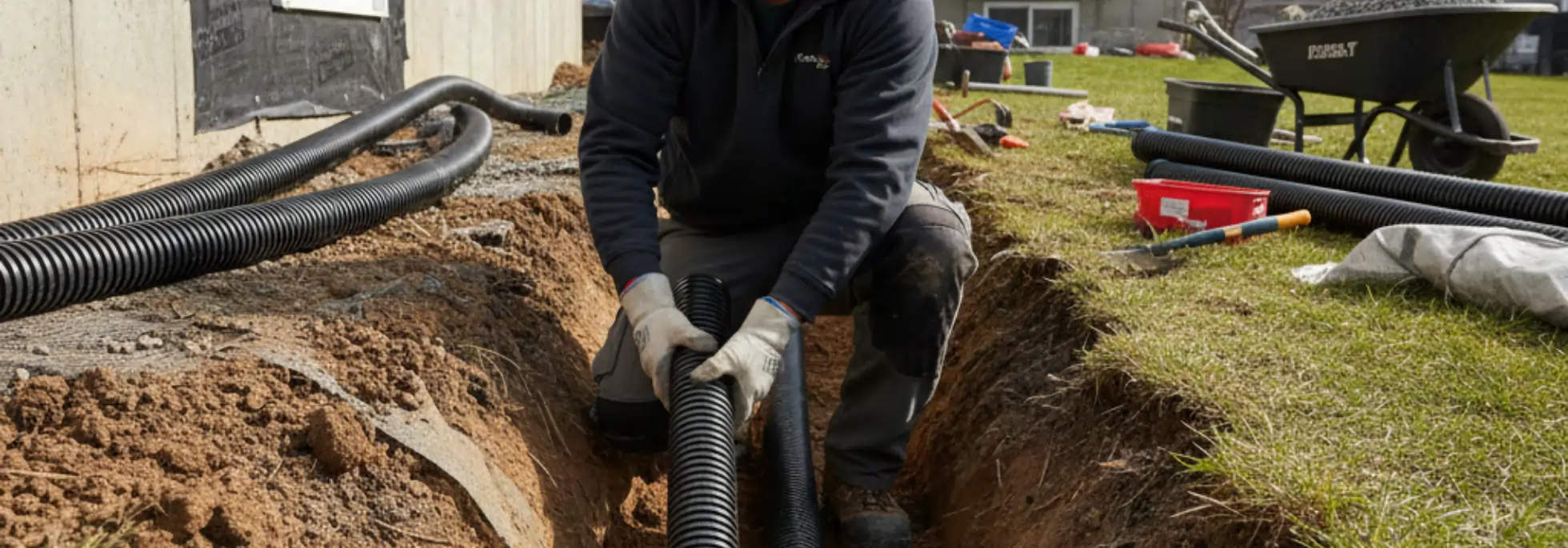
Plumbing East Gwillimbury carries out weeping tile installation and replacement in East Gwillimbury, setting perforated pipe in a bed of clean gravel along the footing and leading it to a sump, so groundwater leaves before it can push on the walls.
- Service area
- East Gwillimbury, and the GTA
- Typical cost
- $5,000 to $20,000, after a $99 service call
- Call
- (365) 517-5015
- Quote
- Free quote by form
- Page updated
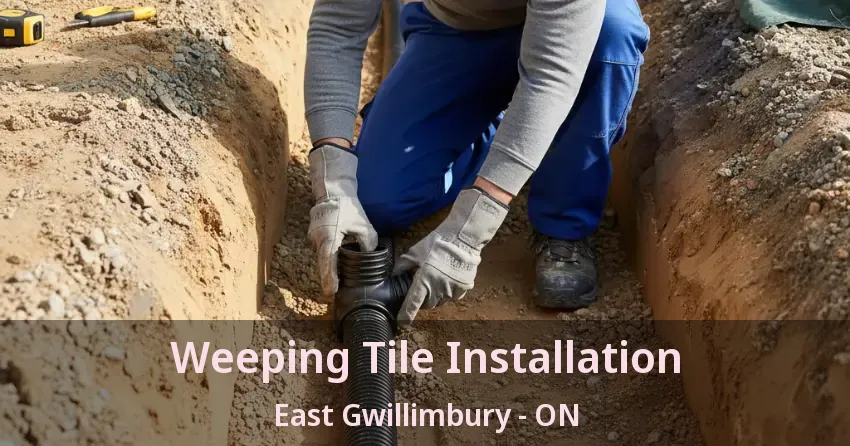
Basement dampness in East Gwillimbury can feel endless, especially after heavy rain or melting snow. Weeping Tile Installation gives that water a smarter path, away from your foundation and out of your basement.
Moisture problems rarely start indoors, they usually begin outside where water sits against the foundation and looks for the easiest way in. Plumbing East Gwillimbury helps homeowners across East Gwillimbury fix the root cause by installing a drainage system that collects groundwater and moves it safely to a proper discharge point. Weeping Tile Installation can reduce recurring seepage, protect finished basements, and support long-term foundation health. The right setup also makes your sump system work the way it was meant to, as a controlled exit for water, not a constant emergency.
Why Basements In East Gwillimbury Keep Getting Damp
A basement can feel sealed tight and still take on moisture. Water pressure builds in the soil around the foundation, and that pressure pushes water through tiny cracks, porous concrete, and the joint where the wall meets the floor. In East Gwillimbury homes, grading changes over time, downspouts can dump water too close, and soil can hold moisture longer than expected.
Even a small amount of repeated dampness matters because it affects air quality, storage, and finishes. Plumbing East Gwillimbury treats Weeping Tile Installation as a basement dryness strategy that reduces the water load at the foundation line, instead of only addressing symptoms after the fact.
What Weeping Tile Installation Actually Does For Your Foundation
Weeping tile is a perimeter drain system designed to capture groundwater near the footing and guide it to a safe outlet. When it is installed properly, water is collected before it can build enough pressure to seep into the basement. For many East Gwillimbury properties, this is the difference between a basement that smells musty every wet week and one that stays consistently usable.
Plumbing East Gwillimbury designs Weeping Tile Installation to do three things well: collect water, move it efficiently, and resist clogging over time. A drain pipe alone is not enough, the surrounding stone, slope, and protection layers are what make the system reliable.
How The Drain Relieves Pressure Around The Footing
When groundwater rises, it pushes against the foundation wall and the floor edge. Weeping Tile Installation creates a lower-resistance route for that water, so it flows into the drain instead of through your concrete. This is pressure relieving drainage in a practical, everyday sense, it reduces the force that drives seepage.
In East Gwillimbury basements where dampness appears along the edges, this pressure relief is often the missing piece. It helps stop recurring wet spots that show up after the same types of storms.
Where The Collected Water Goes
Depending on your home and layout in East Gwillimbury, collected water typically goes to a sump basin, then out through a discharge line. In some exterior designs, it can be directed to an approved discharge route where applicable. Plumbing East Gwillimbury plans the outlet carefully so water does not cycle back toward your foundation.
Signs You Might Need Weeping Tile Installation East Gwillimbury
Many homeowners wait for a clear leak, but the earlier clues are often easier to fix. If you notice changes that come back after rain, it is worth looking at the drainage system before damage spreads across your basement.
Weeping Tile Installation in East Gwillimbury: call (365) 517-5015
Indoor Clues That Point To Drainage Failure
In East Gwillimbury homes, common warning signs include dampness along the wall edges, staining near the floor line, and white residue on concrete. You might also notice paint bubbling, baseboards warping, or carpet feeling cool and slightly wet near the perimeter.
Musty smells that return every time it rains are another clue. Plumbing East Gwillimbury often finds these issues tied to water pressure and poor drainage pathways that Weeping Tile Installation can correct.
Outdoor Clues That Show Water Is Collecting Near The Foundation
Puddles near the foundation, soggy flower beds that never seem to dry, or soil that slopes toward the house can all increase the risk of seepage in East Gwillimbury neighborhoods. Downspouts that end too close to the wall can overload the soil beside your footing during each rainfall.
If your window wells collect water or your exterior foundation looks damp for days after rain, that also suggests water is lingering where it should not.
Choosing The Right Weeping Tile Installation Approach For Your Home
There is no single best method for every property. Plumbing East Gwillimbury matches the plan to your foundation type, basement use, water entry patterns, and access conditions across East Gwillimbury.
Interior Weeping Tile Installation For Controlled Basement Collection
Interior systems typically capture water at the basement perimeter and route it to a sump basin. This option can be a strong fit when the main issue is water appearing at the wall to floor joint, especially in East Gwillimbury homes where exterior excavation would be difficult.
Interior Weeping Tile Installation can also be a good choice for finished basements when the goal is controlled water collection with a clear route to the sump. The key is precise trench placement, correct stone bedding, and a dependable connection to the basin.
Exterior Weeping Tile Installation For Full Perimeter Protection
Exterior systems intercept groundwater before it reaches the foundation wall. In East Gwillimbury properties with persistent exterior dampness or suspected failure of older drains, this approach can provide broader protection.
Exterior Weeping Tile Installation is often paired with foundation wall protection layers to help keep water off the wall surface in the first place. Plumbing East Gwillimbury plans excavation and restoration carefully so the site stays organized and safe.
How We Decide Between Interior And Exterior
We look at where water shows up, how often it happens, and what conditions exist outside. In East Gwillimbury homes, the right answer often depends on access, lot layout, and whether the problem is concentrated in one area or happening around multiple sides.
Our goal is a plan that fits your home and solves the cause, not a generic recommendation that leaves you guessing.
Our Assessment Process Before We Start Any Work In East Gwillimbury
Good outcomes start with good diagnosis. Plumbing East Gwillimbury focuses on the most likely water pathways and confirms what is driving the dampness before recommending Weeping Tile Installation.
- Review basement symptoms and note patterns across East Gwillimbury weather events
- Check cove joint areas, wall surfaces, and any visible cracks or stains
- Walk the exterior to evaluate grading, downspouts, and pooling zones
- Review sump setup if present, including basin location and discharge routing
- Propose the best Weeping Tile Installation approach with a clear scope of work
Homeowners in East Gwillimbury appreciate this step because it replaces uncertainty with a practical plan. It also helps avoid unnecessary work that does not address the real issue.
Weeping Tile Installation Steps We Follow For Consistent Results
Plumbing East Gwillimbury uses a repeatable workflow so quality does not change from job to job. Whether the plan is interior or exterior, Weeping Tile Installation is treated as a system build, not a quick patch.
- Prepare the work area and protect surfaces, using tidy daily cleanup habits throughout the project
- Open the perimeter zone with controlled cuts or excavation based on the plan for East Gwillimbury
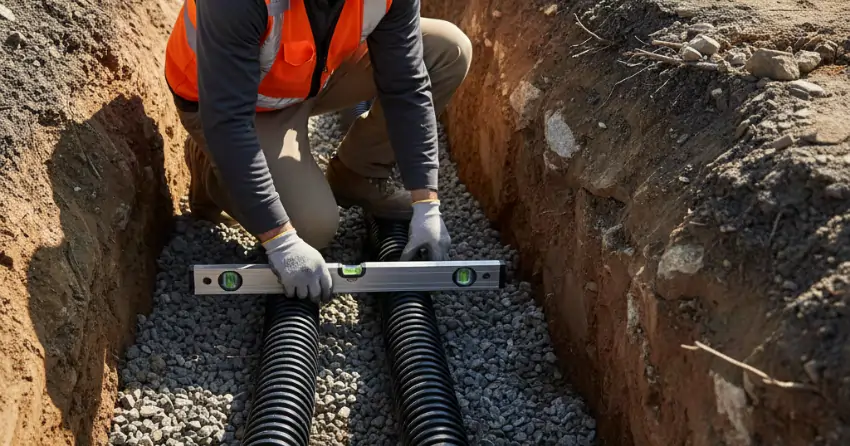
- Create a stable trench base, then add drainage stone for proper bedding
- Install the weeping tile pipe with proper slope and bedding so water moves consistently
- Add protection layers where needed, including silt blocking filter wrap to reduce clogging risk
- Route the drain to a sump basin or discharge pathway suited to East Gwillimbury conditions
- Test flow and confirm connections before closing the trench
- Restore concrete, soil, and surrounding areas, then walk you through what was installed
This sequencing matters. When the slope, bedding, and protection layers are done right, Weeping Tile Installation works quietly in the background, which is exactly what most East Gwillimbury homeowners want.
Sump Basin And Discharge Planning That Prevents Repeat Problems
Many Weeping Tile Installation projects depend on a sump system to remove collected water. Plumbing East Gwillimbury checks that the basin and discharge route are built for real conditions, not just a best-case scenario.
Sump Basin Setup That Matches Your Drainage Load
If your current basin is undersized, poorly placed, or missing key components, it can limit performance during heavy rain in East Gwillimbury. We review basin placement, cover fit, and intake routing so the drain feeds cleanly and efficiently.
A proper connection also helps the pump cycle more predictably. That reduces wear and helps keep your basement calmer during wet periods.
Discharge Lines That Move Water Away From The Home
A discharge line should send water away without freezing, leaking, or returning toward the foundation. Plumbing East Gwillimbury plans a pump ready discharge line that fits East Gwillimbury conditions and reduces the risk of water recycling back into the same soil beside your home.
If you want help planning your Weeping Tile Installation, you can reach Plumbing East Gwillimbury by simply working contact us into your message, or calling (365) 517-5015 when it is convenient.
Foundation Wall Protection Options That Pair Well With Exterior Systems
When an exterior approach is selected, water management can include protecting the wall surface in addition to draining groundwater. Plumbing East Gwillimbury uses options that support long-term performance without overcomplicating the project.
Weeping Tile Installation in East Gwillimbury: call (365) 517-5015
Waterproof Layers And Drainage Surfaces
Exterior Weeping Tile Installation can be paired with a protective layer that helps keep moisture off the wall. The exact approach depends on foundation condition and exposure in East Gwillimbury.
This step is not about adding extras for the sake of it, it is about improving how the foundation handles moisture over time. Done correctly, it becomes meaningful foundation wall protection that supports the drainage system rather than duplicating it.
Window Well And Low Point Drain Considerations
Some East Gwillimbury homes have window wells or low exterior areas that collect water. If these are present, Plumbing East Gwillimbury can integrate drainage considerations so those spots do not become repeated problem zones.
The goal is a complete water path plan where surface water and groundwater both have an exit route.
How We Keep Your Property Livable During The Project
We understand you still have a routine, even while work is happening. Plumbing East Gwillimbury plans the job so access stays safe, disruptions stay reasonable, and your home is treated with respect across East Gwillimbury.
Clear Work Zones And Predictable Daily Progress
We set expectations early so you know what areas will be active and what will remain accessible. For interior work, we focus on keeping dust controlled and traffic paths protected. For exterior work, we keep excavation zones defined and stable.
This approach helps prevent the feeling of chaos that homeowners worry about. You should feel informed and in control throughout your Weeping Tile Installation project in East Gwillimbury.
Restoration That Looks And Feels Finished
Restoration is not an afterthought. Concrete repairs, backfill stability, and surface finishing all matter because they affect how water behaves next time it rains in East Gwillimbury.
Plumbing East Gwillimbury uses long life materials where it counts, and we keep the restoration work clean so the final result feels complete, not patched together.
Common Mistakes We Fix From Older Drainage Setups
Many drainage issues come from older systems that were installed without enough protection against silt, poor slope, or improper discharge routing. Plumbing East Gwillimbury often sees these patterns across East Gwillimbury.
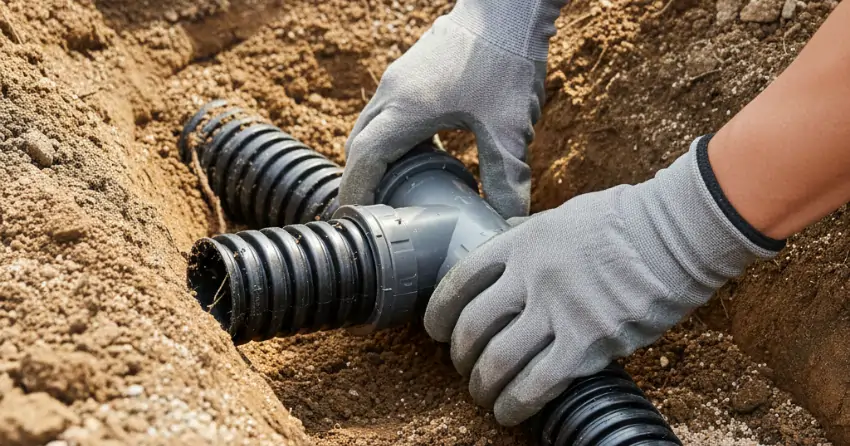
Clogs From Fine Soil And Poor Protection
Without a protection layer, fines can migrate into the drain stone and pipe. Over time, flow slows and water pressure returns. That is why Weeping Tile Installation needs the right stone, the right protection, and consistent bedding.
In East Gwillimbury homes with heavy soil, this detail can make the difference between a system that lasts and one that needs repeated attention.
Slope Problems That Cause Standing Water
If the pipe does not have consistent slope, water can sit in low spots. That can reduce performance and create unpredictable dampness patterns. Plumbing East Gwillimbury checks slope carefully during Weeping Tile Installation so water moves continuously toward the outlet.
What To Do After Weeping Tile Installation East Gwillimbury To Support Results
You do not need to babysit the system, but a few habits can support the drainage plan and reduce the chance of new issues. Plumbing East Gwillimbury shares practical steps that fit real life in East Gwillimbury.
- Keep downspouts directing water away from the foundation edge
- Watch for new low spots in soil near the home after landscaping or settling
- After heavy rain, do a quick check for pooling near the foundation perimeter
- If the sump runs unusually often, note the pattern and reach out for guidance
If you ever want quick direction, you can send a note that includes contact us within a sentence, or call (365) 517-5015 so Plumbing East Gwillimbury can advise you based on what you are seeing in East Gwillimbury.